Sunday, December 15, 2013

Computational Science

As technology becomes more and more advanced, and concepts become more complex and abstract, the need to visualize all of these concepts and how they interact with certain parameters becomes harder as well. More variables come into play as the scope of researching or studying things like molecules widen to include not just overall structure but maybe even each individual structure as nucleus and electrons. Computational Science's goal is to use mathematical models and quantitative analysis to expand that scope and simulate on computers such interactions (Source). 

There are many branches of Computational Science, such as Biological Computation which as the name suggests focuses on biology systems. Defining what biological systems compute and the even bigger question -- how it is computed, are the fundamental principles to uncover from such research. As such, things like DNA and cells will need to be programmed, expanding our visual scope the two of the smallest units we know of in the body. Being the smallest unit also means there are going to be millions, maybe billions, of objects in the simulation, which is why, supposedly, computational science projects often require supercomputers according to wikipedia; and it wouldn't be surprising with so many complex objects. 

If such projects depend on supercomputers, it would seem they are bound to have hardware problems eventually. Or at the very least they will become limited by it until hardware issues like RAM processing speed can catch up with other hardware.

References:

Sunday, December 8, 2013

Computer Graphics

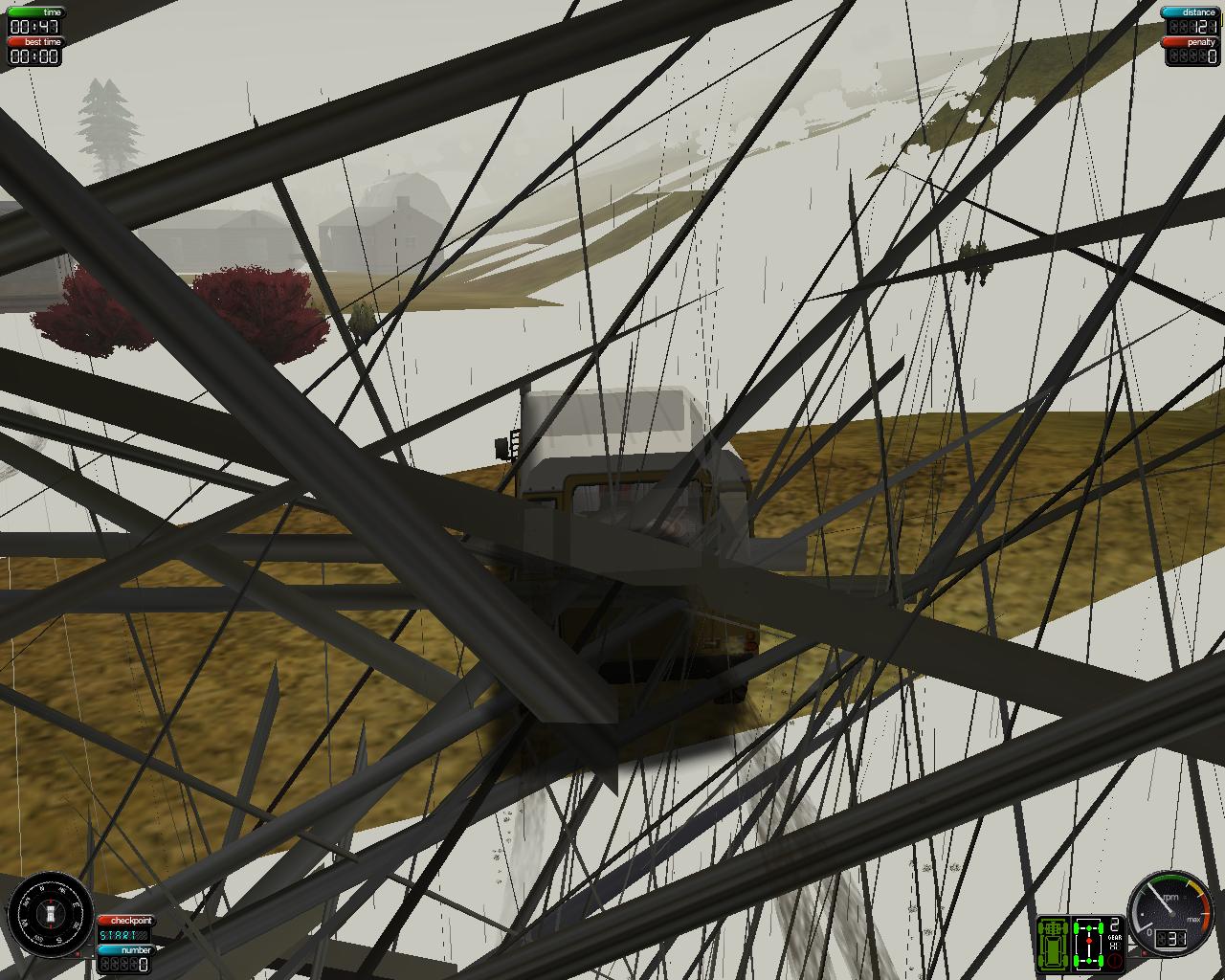
Personally, I have no idea what kind of algorithms are used to make graphics look clean, neat, organized, you know -- realistic, which have by all means improved drastically in the last decade. But, I have dabbled in using some software to get textures to appear on meshes in games like Skyrim and Oblivion. 

Texture
The textures themselves in this game uses a .dds format (Direct Draw Surface) that some versions of Adobe Photoshop support or the freeware Paint.NET
Mesh
whereas the meshes .nif (Notation Interchange File) which contains the shape of the object using many, many triangles and probably a lot more information that I'm not aware of. These are somewhat editable with another freeware NifSkope.


Anyways, how some algorithms help obtain that realism is simply making it easier to create or make edits to images that later get wrapped around the mesh, or in whatever way an algorithm gets the image to appear on the mesh and look neat. Clipping Algorithms help in making things look neat and in doing so realistic, clipping being "Any procedure which identifies that portion of a picture which is either inside or outside a region" (Source)


References
http://en.wikipedia.org/wiki/Clipping_(computer_graphics)
http://www.fotocraft.org.uk/images/screamer4x4/Screamer4x4_03.jpg

Sunday, December 1, 2013

Communication and Security: Network structures

How do our devices connect to a router? And then how does that router connect to the rest of the world? Questions that have come as side thoughts for split seconds and vanish, never focused on to be explored and understood -- part of the many things taken for granted. 

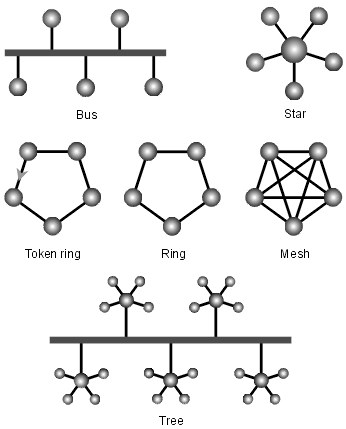
Conceptually there are typical layouts of network setup in homes, but in the end the result is that they're in communication with each other or have the ability to reach each other (source). 


Ethernet connections use the 'Bus' layout whereas Wireless LAN connections would be generally conceptualized with the 'Star' layout. in which the central node is the Wireless Access Point (WAP). WAPs may be integrated into the router itself, but are not necessarily. Regardless the access point's responsibility to is to connect to the router. 
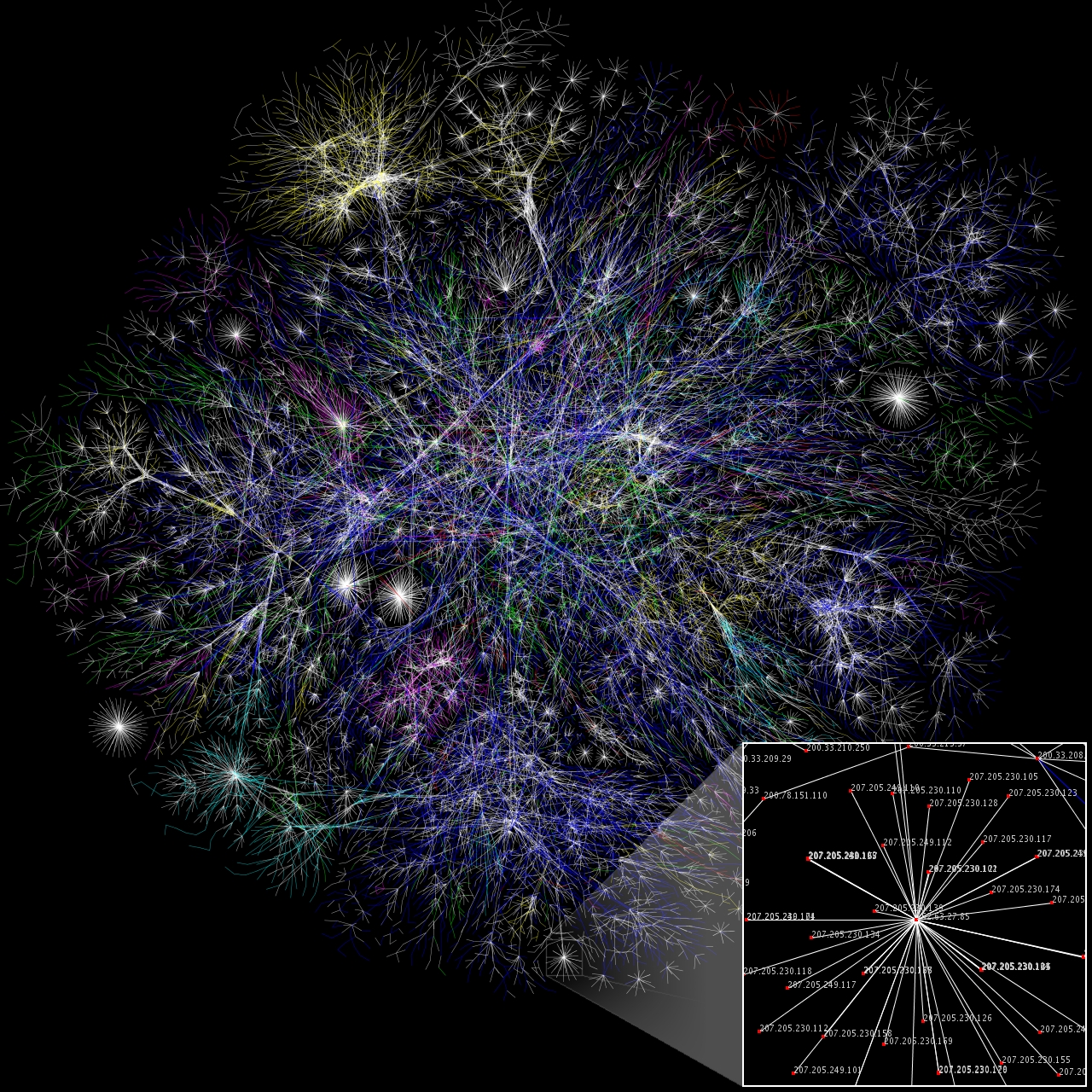
These layouts may also apply to the router whose responsibility is to determine where to forward data packets to other nodes or sub-networks -- as the internet can be seen as 1 enormous network. For network security, firewalls can be seen as the filter properties of each node. 
The vastness of the internet.

Yes, this is all quite summarized and general concepts, otherwise Network Security wouldn't be such a 'hot' job at the moment. At the very least I hope this is a starting point to asking more questions about how computer networks communicate and process data to one another.